Chhayanath National Park – Nepal’s Newest Treasure in the High Himalayas
Chhayanath National Park: Nepal’s Youngest National Park in Mugu
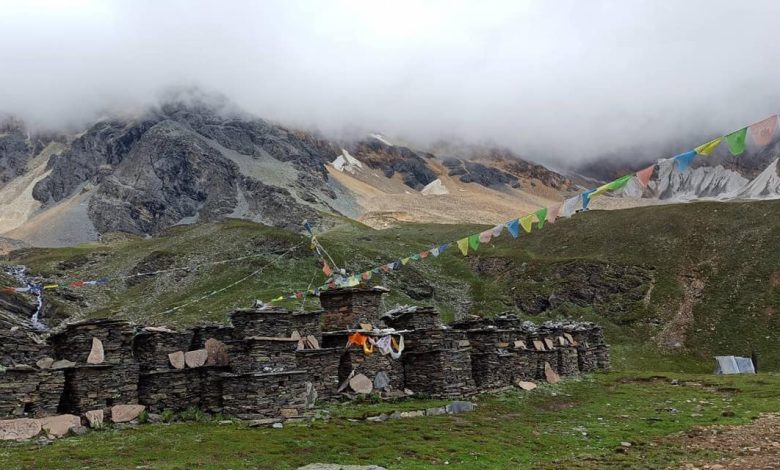
Chhayanath National Park, established in Mugum Karmarong Rural Municipality, Mugu district. Previously, there were 12 national parks in the country. This marks the second national park in Mugu, nearly 50 years after the creation of Rara National Park in 2032 BS.
In 2025, Nepal added a remarkable new chapter to its legacy of natural conservation with the official establishment of Chhayanath National Park, the country’s 13th and youngest national park.
Located in the remote high-mountain terrain of Mugum Karmarong Rural Municipality in Mugu District, Karnali Province, this protected area represents a bold step toward preserving fragile alpine ecosystems, supporting wildlife conservation, and promoting sustainable development in one of Nepal’s most isolated regions.
🌄 Geographical Landscape and Setting
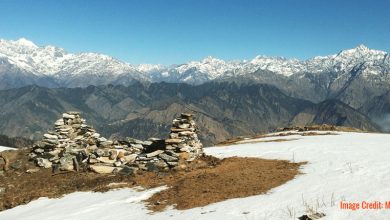
Chhayanath National Park spans approximately 843 square kilometres of core protected area with an additional buffer zone of around 177 square kilometres — bringing the total conservation landscape to about 1,020 km². The park’s territory occupies rugged Trans-Himalayan mountains, high-altitude valleys, and glacial river systems characteristic of the region’s austere beauty.


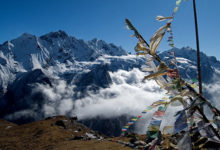
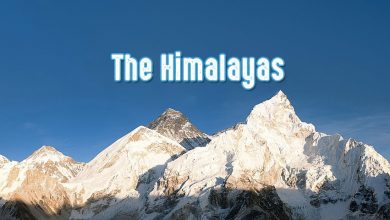
Previously part of Shey-Phoksundo National Park, the area now designated as Chhayanath features dramatic peaks, alpine meadows, and sparsely populated settlements nestled high in the Himalayas. Its northern boundary reaches toward the Nepal–China (Tibet) border, and the terrain is dominated by remote valleys and ridges that form vital habitats for high-altitude flora and fauna.
🛖 Historical and Administrative Background
The creation of Chhayanath National Park was officially approved in August 2025 by the Government of Nepal, after a proposal from the Ministry of Forests and Environment and endorsement by the Cabinet. This decision was influenced significantly by local demands — residents of Mugum Karmarong had long struggled with accessibility issues, including multi-day treks to Shey-Phoksundo’s headquarters to access essential park services. Establishing a distinct national park aimed to remedy these logistical challenges while strengthening conservation in the area.
With its declaration, Nepal’s total number of national parks rose to 13, reinforcing the country’s commitment to biodiversity protection across diverse ecological zones — from lowland forests to high Himalayan landscapes.
🐾 Biodiversity and Conservation Goals
Chhayanath National Park protects an extraordinary range of high-altitude ecosystems, many of which remain relatively unexplored by scientific research. The region supports wildlife adapted to extreme climates, including:
- Snow leopards — one of the most threatened and elusive big cats in the world
- Himalayan blue sheep (naur) and other mountain ungulates
- Himalayan tahr, musk deer, and various pheasant species such as danfe and munal
- A variety of birds and other high-altitude fauna typical of the Trans-Himalayan environment
The park’s establishment aims to enhance long-term protection for these species, safeguard critical habitats under increasing pressure from climate change, and support government and community-led conservation strategies.
🤝 Community and Development Impact
A distinctive feature of Chhayanath National Park’s formation is its community-focused approach. The decision emerged in part from persistent local advocacy, acknowledging the hardships locals faced accessing distant park offices in neighboring districts. Now, conservation services, management offices, and resource support will be more accessible to remote communities, fostering a model that balances environmental stewardship with human well-being.
The inclusion of a buffer zone also enables local residents to engage in sustainable use of natural resources and income-generating activities such as eco-tourism, cultural tourism, and regulated harvesting of medicinal plants found in the high Himalayas. This integration aims to reduce human-wildlife conflict, bolster local livelihoods, and promote prosperity alongside conservation.
🧭 Opportunities and Future Challenges
Despite the enthusiasm surrounding Chhayanath National Park, implementing effective management faces challenges. These include developing infrastructure in rugged terrain, strengthening anti-poaching measures, ensuring consistent funding, and building capacity for park staff and local partners. Conservationists also emphasize the importance of climate resilience planning and strategic tourism development to ensure the park’s ecosystems remain healthy and economically viable for surrounding communities.
However, many see the park’s establishment as a milestone in Nepal’s conservation journey — one that honors both the natural world and the people who depend on it. With proper planning, community engagement, and sustainable investment, Chhayanath National Park is poised to become a key sanctuary for Himalayan biodiversity and an inspiring example of integrated conservation and development in Nepal.
📌 In Summary
Chhayanath National Park is more than just a new protected area — it is a testament to Nepal’s ongoing dedication to preserve fragile ecosystems, honor local heritage, and integrate conservation with community needs. Situated amid some of the world’s most remote and breathtaking landscapes, this national park represents hope for wildlife, opportunities for people, and a commitment to safeguarding nature for generations to come.