Exploring the Growing Potential of Tourism in Nepal: Key Attractions & Opportunities
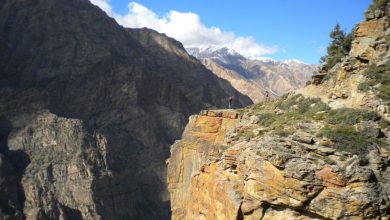
Nepal has incredible potential as a tourism destination. Its natural beauty, rich culture, and adventure opportunities make it a highly attractive place for travelers.
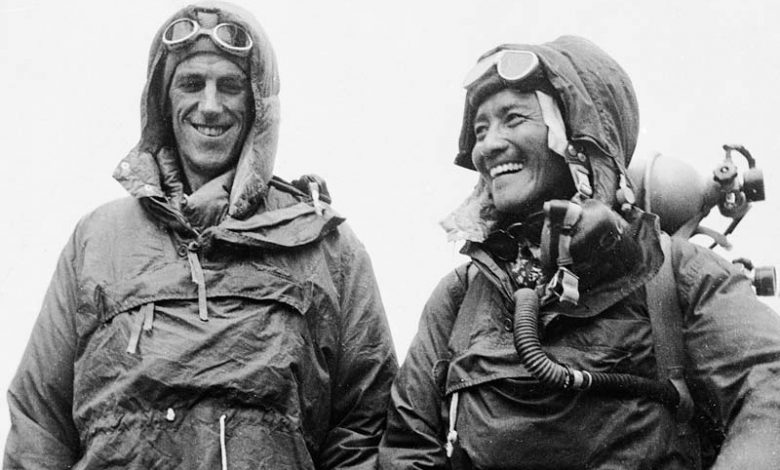
Tourism in Nepal has been a vital part of the country’s economy and culture for many decades. Known for its rich history, breathtaking landscapes, and diverse cultural heritage, Nepal offers a unique experience to tourists from around the world.
Let’s dive into a bit more detail about Nepal’s tourism and the possibilities for its growth.
Overview of Nepal’s Tourism
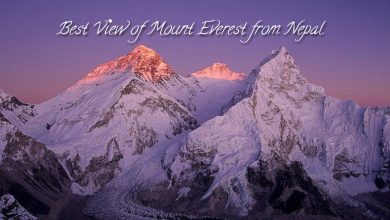
Nepal is a small, landlocked country located in the Himalayas, bordered by China (to the north) and India (to the south, east, and west). It is famous for being the home of Mount Everest, the highest peak in the world. However, Nepal’s tourism potential goes far beyond just Mount Everest.
Key Attractions:
-
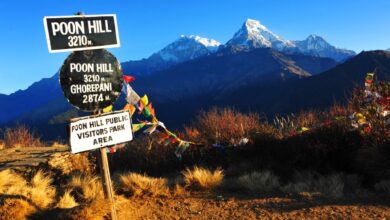
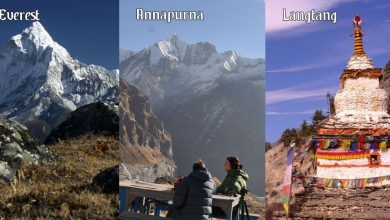
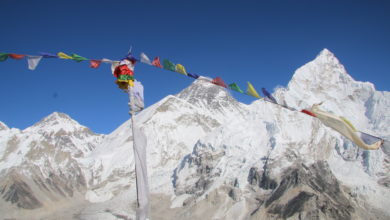
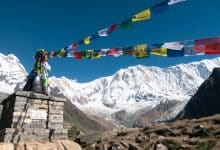
Mount Everest & Trekking: The Everest region is a major draw for trekkers. The Everest Base Camp Trek and other nearby trekking routes (like the Annapurna Circuit, Langtang Valley, and the Manaslu Circuit) are very popular. Trekkers come from around the world to experience the grandeur of the Himalayas and the challenging trekking conditions.
-
-
Cultural Heritage: Nepal has a rich cultural and religious history. Kathmandu, the capital, is home to several UNESCO World Heritage Sites, including:
-
Swayambhunath (Monkey Temple)
-
Boudhanath Stupa
-
Pashupatinath Temple (a major pilgrimage site for Hindus)
-
Patan Durbar Square
-
Bhaktapur Durbar Square
-
-
Adventure Sports: Nepal is not only about trekking. It also offers adventure activities like:
-
White-water rafting in rivers like Trishuli and Seti
-
Paragliding in Pokhara
-
Bungee jumping at various spots, including near the border with Tibet
-
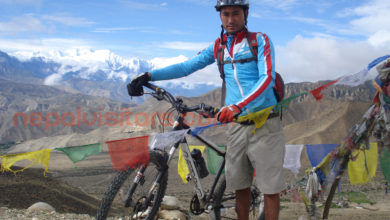
Mountain biking through rugged terrain
-
-
Wildlife: Nepal has several national parks and wildlife reserves, such as Chitwan National Park and Bardia National Park, where tourists can go on jungle safaris to spot tigers, rhinos, elephants, and various bird species.
-
Spiritual Tourism: Nepal is the birthplace of Lord Buddha (Lumbini), which makes it a significant pilgrimage destination for Buddhists around the world. The combination of spirituality, peaceful surroundings, and natural beauty makes Nepal an ideal destination for spiritual retreats.





Possibilities of Tourism in Nepal
There are many reasons to believe that Nepal’s tourism industry has significant potential for growth, but there are also challenges. Here’s a breakdown of both opportunities and hurdles:
Opportunities for Growth
-
Expanding Market for Adventure Tourism: Adventure and eco-tourism are booming globally, and Nepal is well-positioned to tap into this market. New trekking routes, less-explored regions, and adventure sports are opening up new possibilities for tourists looking for something unique.
-
Cultural and Heritage Tourism: The rich cultural heritage of Nepal, with its temples, monasteries, and festivals, has the potential to attract more cultural tourists, especially from nearby countries like India, China, and other Asian nations.
-
Sustainable Tourism: Nepal has been increasingly focusing on eco-tourism and sustainable tourism practices. The natural beauty of the country, combined with efforts to protect the environment, can make Nepal a sought-after destination for eco-conscious travelers.
-
Improved Infrastructure: Nepal has been improving its infrastructure in recent years, such as better roads, new airports, and enhanced transport systems. This is expected to make travel more comfortable and accessible for tourists.
-
Government Initiatives: The Nepali government has been working on several initiatives to boost tourism, including the Visit Nepal Year campaign, which aims to increase the number of international visitors.
-
Medical Tourism: Nepal’s medical tourism sector is growing, with many visitors coming to the country for affordable medical treatments such as dental work, cosmetic surgeries, and alternative therapies like Ayurveda and acupuncture.
-
Culinary Tourism: Nepalese food is distinct and delicious, with options like momos (dumplings), dal bhat (lentil soup with rice), and sel roti (a traditional Nepali donut). As food culture becomes more globalized, Nepal’s cuisine could attract more food lovers.
Challenges to Overcome
-
Infrastructure Issues: Despite improvements, there are still issues related to transportation, particularly in rural areas. The lack of modern infrastructure can deter potential tourists who might be looking for more comfort and ease of travel.
-
Political Instability: While Nepal has made significant progress in its democratic and political system, occasional instability can create uncertainty for tourists, especially in regions affected by strikes or political protests.
-
Natural Disasters: Nepal is prone to earthquakes, floods, and landslides due to its mountainous geography. The devastating 2015 earthquake, for example, affected tourism numbers significantly, although the industry has rebounded since then. Disaster preparedness and recovery remain crucial for future tourism growth.
-
Environmental Degradation: With the rise in tourism, especially in the trekking regions, issues like waste management, deforestation, and pollution are emerging challenges. Sustainable practices are essential to preserve the natural beauty that attracts tourists in the first place.
-
Seasonal Nature of Tourism: Nepal’s tourism industry is highly seasonal, with the peak seasons being during the spring and autumn months (March to May and September to November). During off-peak seasons, tourism drops significantly, which affects local businesses and livelihoods.
-
Underdeveloped Tourism Services: While Kathmandu and some other major cities have plenty of hotels, restaurants, and services, remote areas still lack basic facilities like clean water, sanitation, and medical care. Enhancing these services is important for attracting more tourists.
How to Develop Tourism Further
-
Investing in Infrastructure: Improving transportation links, roads, and airports, as well as upgrading hotels and services in rural and remote areas, will encourage longer stays and make travel more accessible.
-
Focusing on Niche Markets: Nepal can develop niche tourism markets like wellness tourism, spiritual retreats, yoga, and meditation centers, which are growing in demand worldwide.
-
Promoting Off-the-Beaten-Path Destinations: While Everest and Kathmandu are well-known, there are many unexplored places in Nepal that could attract adventurous travelers. Promoting regions like Dolpo, Kanchenjunga, and Rara Lake could diversify the country’s tourism offerings.
-
Strengthening Disaster Resilience: Nepal needs to continue working on disaster preparedness and recovery plans to ensure tourism can recover quickly from natural disasters and stay resilient in the future.
-
Eco-Tourism Initiatives: Encouraging sustainable travel practices, including eco-friendly hotels, responsible trekking, and protecting natural reserves, can help preserve Nepal’s beauty while attracting eco-conscious travelers.
Conclusion
Nepal has incredible potential as a tourism destination. Its natural beauty, rich culture, and adventure opportunities make it a highly attractive place for travelers. However, there is work to be done in improving infrastructure, sustainability practices, and disaster preparedness to ensure the long-term success of tourism in the country. By capitalizing on emerging trends in adventure, cultural, and eco-tourism, Nepal can increase its share of the global tourism market while preserving its unique environment and culture for future generations.